

Resources


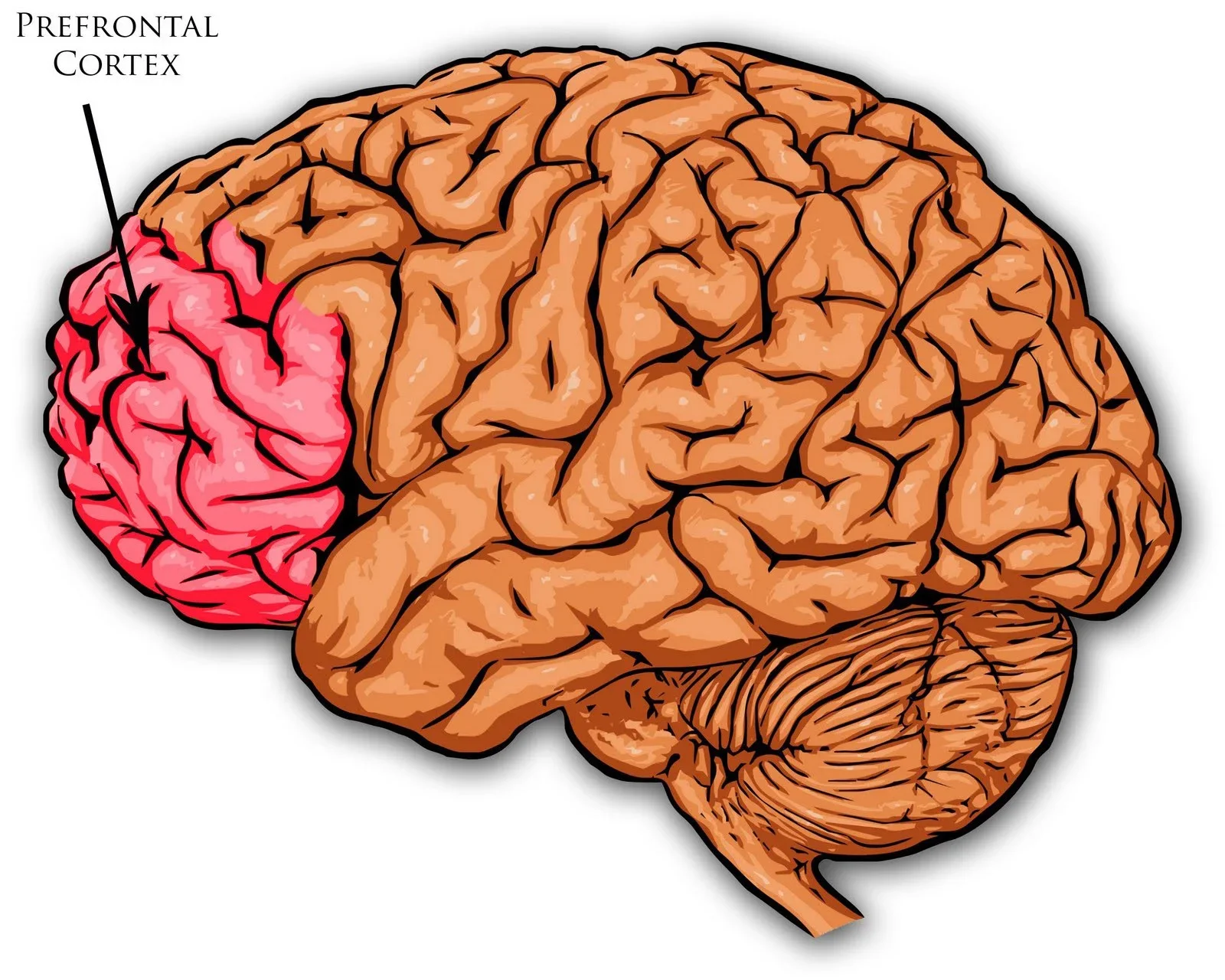


Metacognition
Metacognition is the process of actively monitoring, evaluating, and regulating one’s own thinking to improve learning, decision-making, and problem-solving. It includes awareness of thought patterns, the ability to assess task demands, and using strategies to enhance cognitive performance. We highlight the explicit processes related to habit formation in order to promote emotional attunement and intentionality of behavior. The relationship between cues and rewards results in behavioral outcomes.

Emotional Regulation
Emotional regulation involves monitoring and adjusting our emotional responses with the deliberate intention of improving overall well-being, interpersonal relationships, and decision-making. It requires processes, the ability to evaluate different situations, and strategic use of coping mechanisms to handle emotions effectively.

Cognitive Bias
When assessing risk or making decisions, our brains often rely on mental shortcuts that can prevent us making the right choices, while feeling like we’ve made the right ones. These systematic errors, known as “cognitive biases”, have been studied since the 1960s, with researchers identifying dozens that influence our judgment and behavior. Addressing them allows for the relief of anxieties and can lead to actionable results when hyper- or hypo-aroused emotionally.

Memory
Working memory holds small amounts of information briefly, while long-term memory stores knowledge more permanently—essential for critical thinking and problem-solving. Learning is influenced by factors like emotions, prior knowledge, and how content is delivered. These two forms of memory are in different parts of the brain, complicating its functionality, when one is emotionally activated. Strategies such as spaced practice, retrieval practice, and dual coding improve retention, while information overload can hinder it.

Articles

Mind Over Matter: The Science Behind Cognitive Development and Mental Nourishment
In the journey toward self-improvement, one of the most powerful assets we can nurture is our mind. Cognitive development—the process of enhancing the mental skills we rely on to think, learn, and remember—plays a critical role in determining how we navigate the world around us. Whether it’s managing our time, solving problems, or controlling our emotions, cognitive abilities shape our ability to function effectively in daily life. But can we improve these abilities? The answer is yes.
In this blog post, we’ll explore the neuroscience behind cognitive development, how specific mental skills like memory, attention, and problem-solving can be strengthened, and how programs like Neuro Nurture are designed to harness these principles for personal growth and well-being.

Unlocking Potential: The Role of Executive Function Coaching in Personal Development
Unlock your potential with executive function coaching from Neuro Nurture. Learn how personalized coaching strategies can help neurodivergent individuals improve time management, organization, emotional regulation, and productivity. Discover the powerful benefits of executive function coaching and how it supports personal growth and success. Start building your cognitive skills today for a more organized, focused, and fulfilling life